
ADHD, Executive Functioning, and Upset: Doing Before Thinking
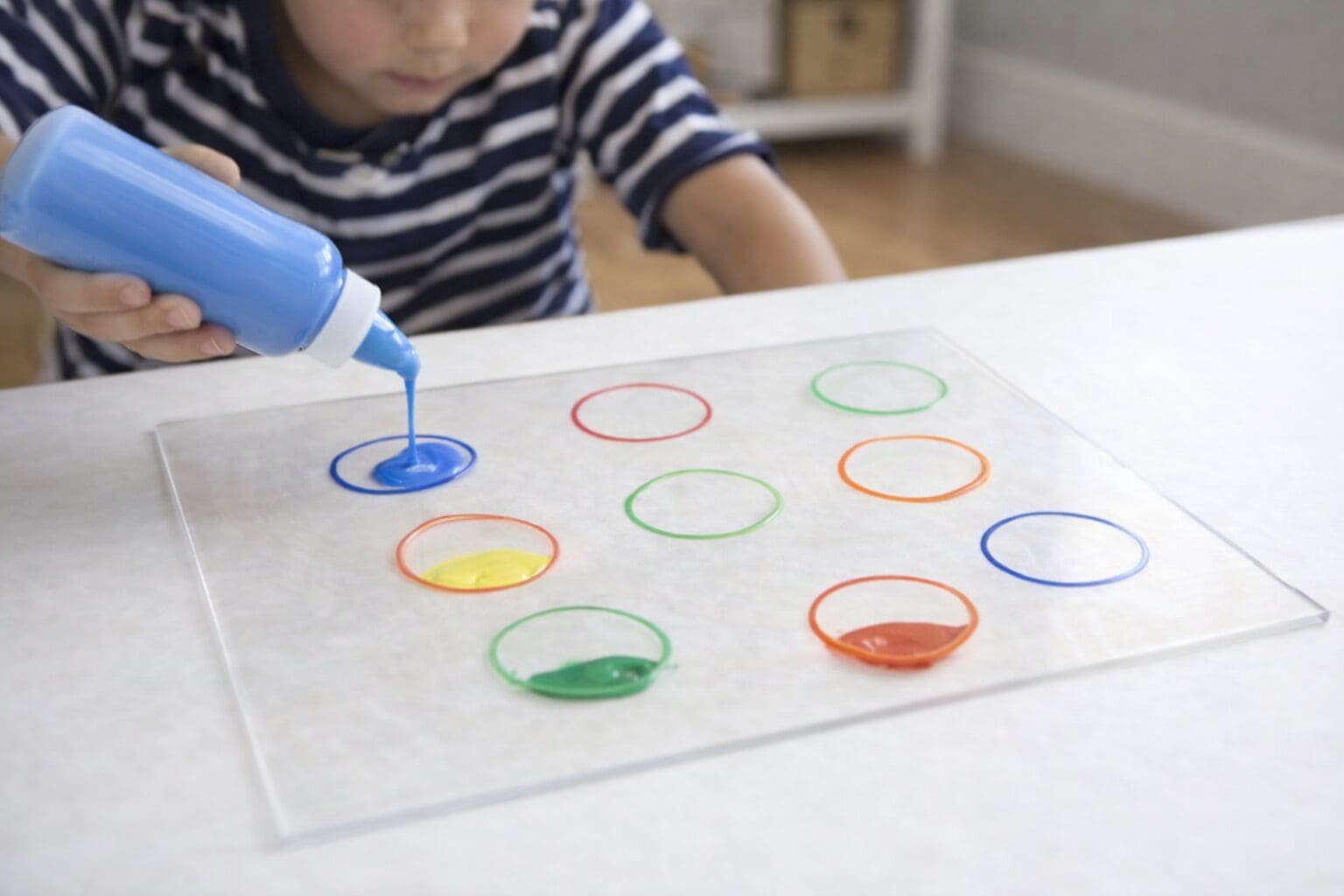
One of the most common patterns I see in my work with children is doing first and thinking later. The paint is already squeezed. The tower has already fallen. The words are already out. And then the upset hits.
For many of these children, ADHD is the biggest factor at play.
ADHD is not just about attention. It impacts executive functioning — the brain skills that help a child pause, plan, organize, regulate impulses, and shift gears. When executive functioning is still developing, a child may understand the rule and know the expectation, yet still struggle to slow down long enough to use that knowledge in the moment.
This is often where frustration builds. Adults may interpret this as defiance or carelessness, but what I see is a nervous system moving faster than the child’s ability to organize themselves.
Making Executive Functioning Skills Fun (Not Punitive)
I don’t like to limit art supplies in a rigid way. Telling a child “you can’t use that” or “only one color” often turns the art process into a power struggle or shuts creativity down altogether.
Instead, I create thoughtful limits that feel like games.
One of my favorite activities uses a simple piece of clear craft plexiglass. I draw different-sized circles on it with dry erase marker — some small, some medium, some large — and present it as a challenge.
The task is to pour or squeeze paint into the circles without overflowing.
What looks like a fun art activity is actually supporting multiple executive functioning skills at once:
• impulse control (reducing double squeezing)
• planning and pacing
• visual-spatial awareness
• measuring and estimating
• frustration tolerance
• body regulation
Children who typically dump paint or smear impulsively often become focused, careful, and proud of their control. The structure reduces regressive paint behaviors without shaming or correcting the child. They aren’t being told to stop — they’re being invited to play differently.
The added bonus is that children discover slowing down can actually feel good.
Stop-and-Go Thinking Before Starting
Another area I support is decision-making before action. Many children with ADHD don’t struggle because they don’t know what to do — they struggle because the pause doesn’t happen.
Before starting an activity, I help children practice stop-and-go thinking. This may include:
• verbally naming the first step
• choosing materials before touching them
• using simple games similar to Simon Says
• previewing what “too much” or “just right” looks like
For some children, auditory instructions from teachers or adults aren’t fully processed in the moment. Slowing the body down first helps the brain catch up.
When the pause is built into play, it doesn’t feel corrective. It feels supportive.
From Upset to Capability
When executive functioning demands are too high, children become overwhelmed quickly. That overwhelm often shows up as upset, shutdown, or explosive behavior.
By embedding executive functioning practice into art and play, children experience themselves as capable rather than “in trouble.”
They aren’t being told to control themselves.
They’re discovering that they can.
That shift — from correction to confidence — is where real growth happens.